category · education
PrototypingPractice that fits a school day
Revision that runs on a cheap handset, spends no data, and follows the syllabus Zambian learners are actually taught — rather than one imported from somewhere it was never tested.
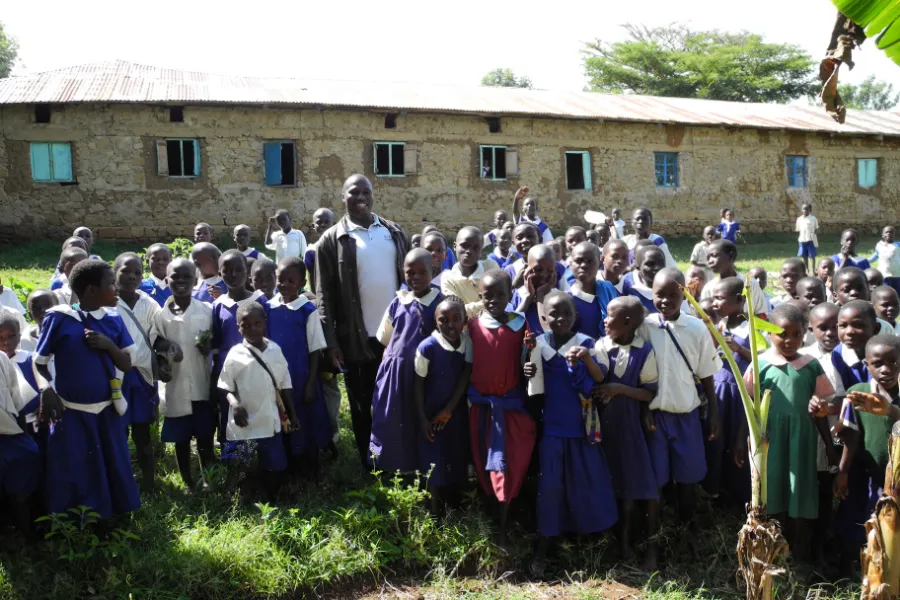
Photo: SuSanA Secretariat on Wikimedia Commons, CC BY 2.0
Projects & opportunities
11 projects across 3 subcategories. The rest are on our roadmap, with what we plan to explore.
Learning games
Play that teaches: capitals, elements, words and more.
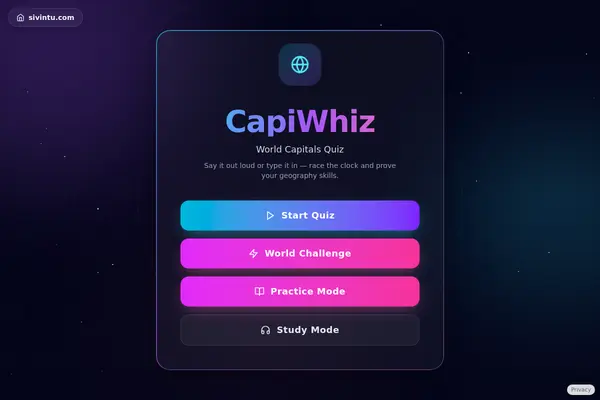 CapiWizWorld capitals quizLearn more →
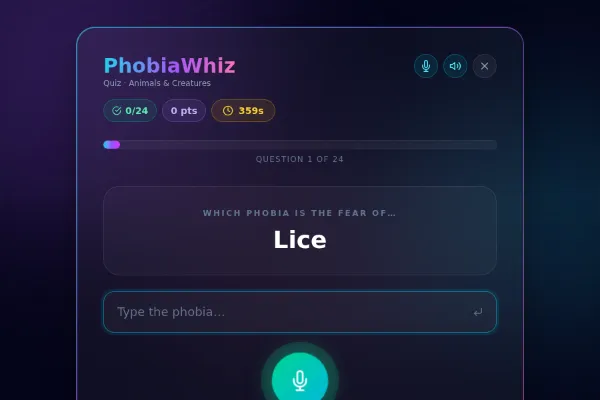 PhobiaWizName the phobia, name the fearLearn more →
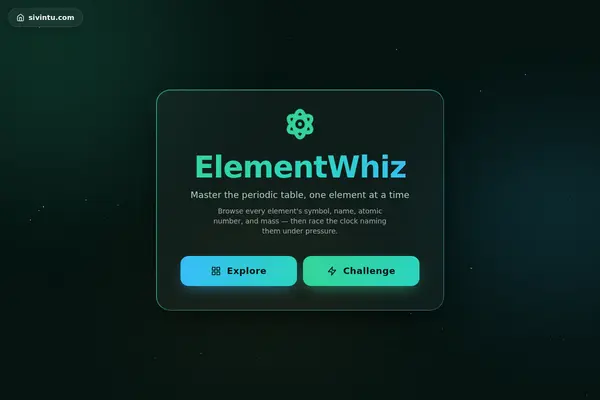 ElementWizPeriodic table trainerLearn more →
 ExamWizImaginary exam trainerLearn more →
 ScrabWiz2 & 3 letter Scrabble wordsLearn more →
 ConundrumWizWord unscrambleLearn more →
 BibleWizBooks of the Bible, in orderLearn more →
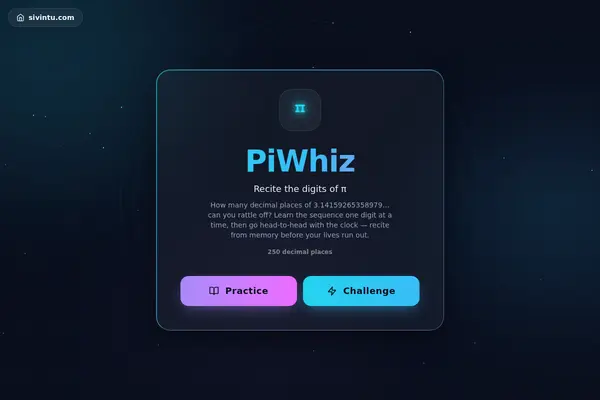 PiWizRecite the digits of πLearn more →
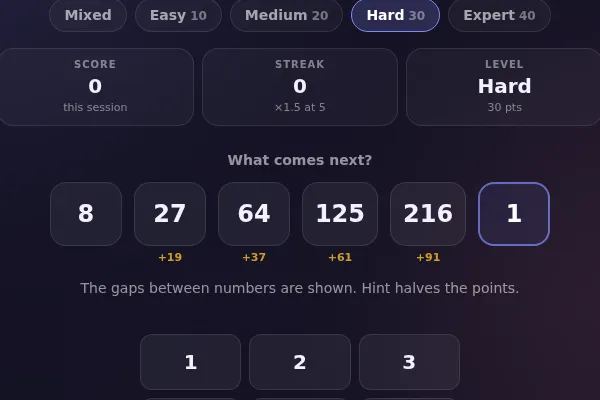 NextWizRemember the number orderLearn more →
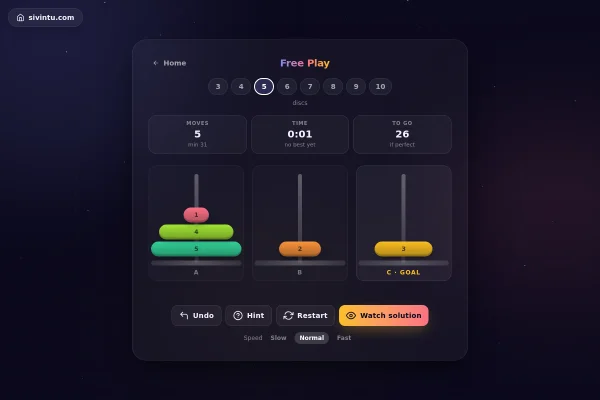 HanoiWizTower of Hanoi puzzleLearn more →
Study tools
Revision that remembers what you got wrong.
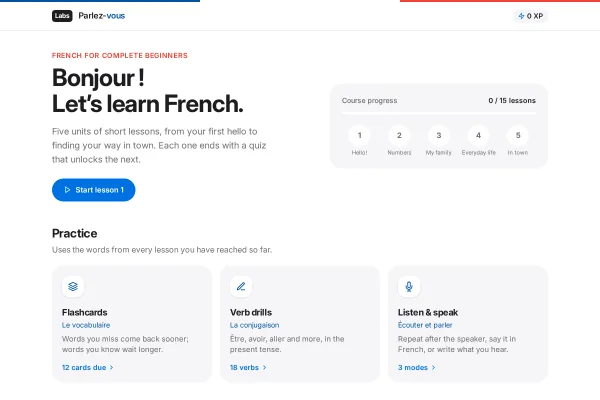

Teacher tools
Marks and grades without the spreadsheet.
Teachers with classes of sixty or more spend evenings on marks, registers and reports by hand.
- Mark books
- Lesson resources
- Parent updates
What we'd build
Deliberately narrow to start. A narrow slice we can finish beats a wide one we can only demo.
-
01
Syllabus-mapped practice
Primary and secondary subjects broken into the units a teacher actually sets, so a learner practises the topic due this week — not a random sample of everything.
-
02
Practice that remembers
Spaced repetition that knows which topics a learner keeps getting wrong, and quietly brings them back until they hold.
-
03
Works without data
Downloaded once, used for a term. Same content printable as worksheets, because not every learner has a device every day.
-
04
A teacher view
What the class is weak on, for the teacher to act on — and deliberately not a ranking of children.
The prototypes that came first
Every game in the gaming prototypes is a drill of exactly this kind, built as a game because a game is a cheaper way to find out whether repetition works.
Where it stands
Prototyping
The practice engine is in build against one narrow slice of the syllabus. We widen it only after that slice is genuinely useful to a real learner, not after it looks impressive.
The honest risk: the learners who would benefit most from this are the hardest to reach for feedback. If we cannot test it with them, we will say so rather than launch around them.