category · transportation & aviation
ExploringThe route, on the ground and in the air
Almost everybody here travels on somebody else's schedule. Whether the trip is a bus to the next town or a flight out of the country, the same thing is true — the information exists, but it is held by the people running the vehicles, and it rarely reaches the person waiting.
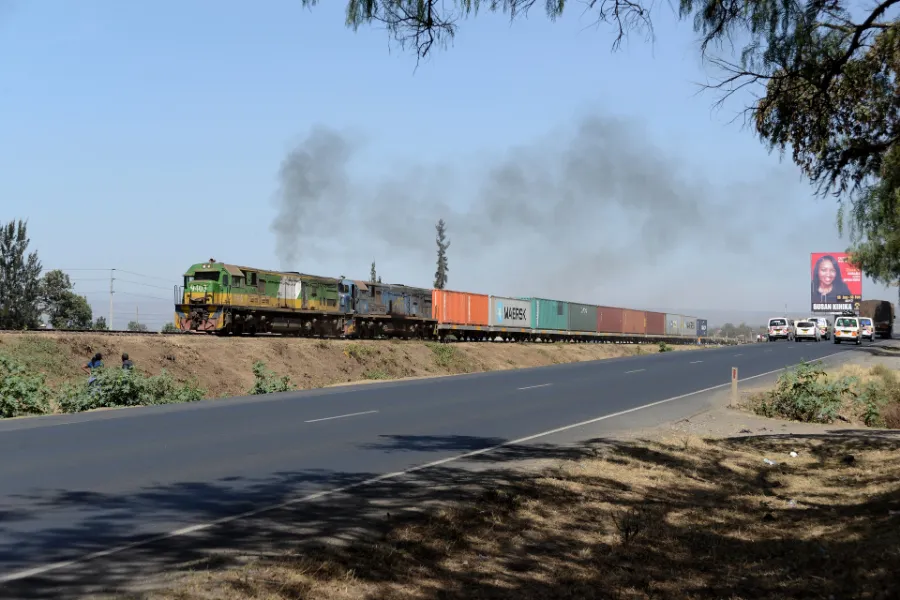
Photo: Matthias Hille on Wikimedia Commons, CC BY-SA 4.0
Projects & opportunities
1 project across 3 subcategories. The rest are on our roadmap, with what we plan to explore.
Road
Minibuses, trucks and shared rides.
Minibuses, trucks and shared rides move most of Africa, but planning and paying for a journey is still guesswork.
- Trip costs
- Bus routes and fares
- Fleet tools
Aviation
Air links across the region, and the people who run them.
Regional air links are growing, and so is the need for trained people and better information.
- Flight planning aids
- Aviation training
- Airport information
Electric mobility
Charging, metered and billed.


What we'd build
Four ideas, in the order we would test them. None are built.
-
01
Routes a person can read on a phone
Where the buses actually go, when they leave, what they charge, and which rank to wait at — without a data bundle and without an account. Most of it is already known to somebody at the stop.
-
02
The last mile, either end of a journey
The gap between a terminal and somewhere people actually live, for a traveller who has just landed and a family waiting at the other end. The one part of any trip that is decided in a queue.
-
03
Cargo that is not on a timetable
Freight for small operators running empty one way, and lift for industries that are real and profitable but too small or too remote for a scheduled service — perishables, a spare part, a technician.
-
04
Disruption, said plainly
When weather, a delay or a closed road changes the day, the information should reach people who have to travel regardless — in a form they can act on, not a notification they dismiss.
Where it stands
Exploring
Desk research and early conversations with operators and drivers. Nothing is built. The first question is whether better information changes anything at all, or whether the constraint here is vehicles and capital rather than software.
The two halves of this category do not have the same obstacles, and it is worth not pretending otherwise. On the ground the information is held by operators and the money is held by whoever owns the vehicles. In the air, the information we would want to publish is largely held by airlines and airports, and access to it is a commercial and regulatory question before it is a technical one.
If the honest answer turns out to be a bus, or a charter, or a policy, rather than a tool, we would rather say so on this page than spend a year building a scheduling screen for a problem we have described incorrectly.