category · construction & housing
ExploringBuilding, and the ground it stands on
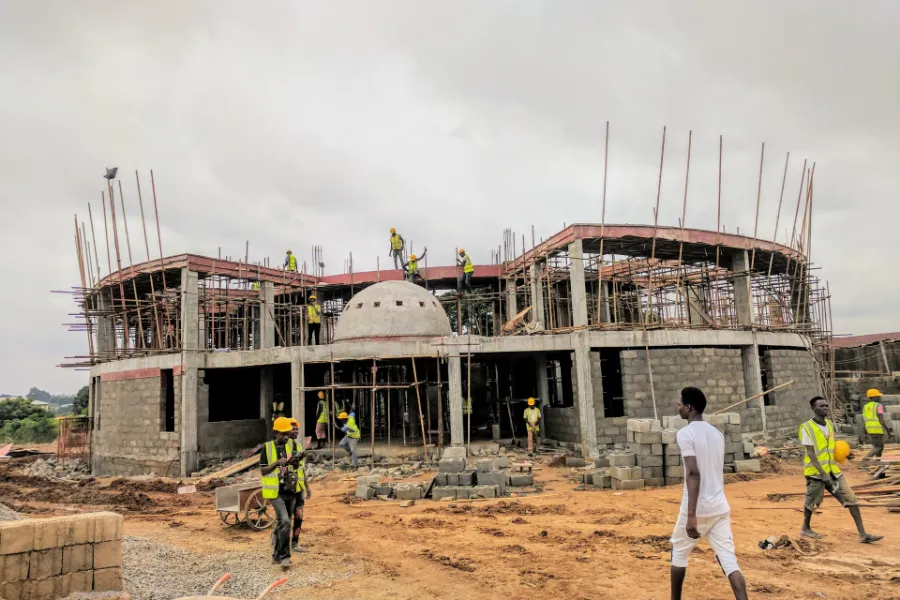
Most houses are built once, by someone who does it for a living, with a plan drawn on paper and a budget that changes weekly. The gap between what was costed and what was spent is where this category starts.
Photo: Eyibeauty Oyelowo on Wikimedia Commons, CC BY-SA 4.0
Projects & opportunities
1 project across 2 subcategories. The rest are on our roadmap, with what we plan to explore.
Estimating
Materials worked out before the lorry is booked.
Most homes are built bit by bit, and families often run out of cement, blocks or money halfway through.
- Material estimates
- Build-as-you-go budgets
- Finding trusted builders
Housing & stays
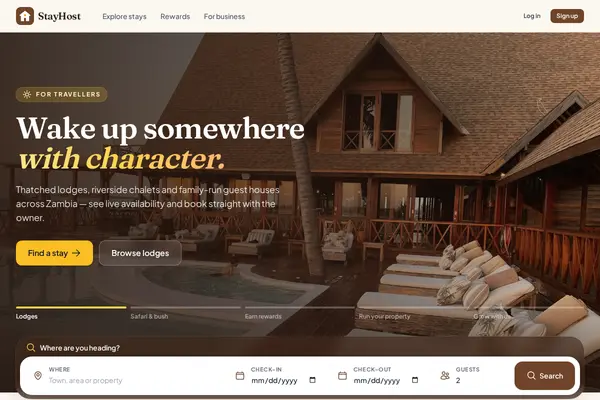
Places to stay, and the platform behind them.

What we'd build
Four ideas, in the order we would test them. None are built.
-
01
Costs that stay current
Materials, transport and labour for a real build, updated as prices move and marked with the date they were last confirmed — so a quote from March is never mistaken for one from today.
-
02
A build that keeps its own record
What was planned, what was actually done, what changed and why. Photographs and notes on a phone, kept by whoever is on site, surviving the handover and the argument afterwards.
-
03
Land and housing information
Servicing, plot sizes, drainage and what a piece of ground will actually cost to build on — information that exists today, but scattered and usually held by somebody selling something.
-
04
Smaller steps, not bigger buildings
Plots most people can genuinely afford, planned so a house can be finished in stages rather than half-built and abandoned. The failure mode here is not cost — it is the incomplete house.
Where it stands
Exploring
Desk research and early conversations with builders and small contractors. Nothing is built, and the first useful step is finding out where the money actually leaks on a house — because if that turns out to be the price of land rather than the management of the build, no tool we could write would fix it.
This category has the least software in it of anything on the board, and we would rather say that plainly than pretend otherwise.